Wondering how to sell a historic home in Morris without stripping away the details that make it special? You are not alone. Selling an older home can feel like a balancing act between making practical updates and protecting the craftsmanship buyers love. This guide will help you focus on what matters most, from smart prep and disclosures to pricing and marketing, so you can move forward with confidence. Let’s dive in.
Why historic homes stand out in Morris
Morris has a long canal-town history, and that history still shows up in the homes and streetscapes you see today. The city traces its earliest growth to the 1830s and 1840s, with the I&M Canal opening in 1848 and railroad service arriving in 1853. That layered past gives many Morris properties a story that newer homes simply cannot replicate.
Historic character is especially visible in and around the downtown area. The National Park Service lists the Morris Downtown Commercial Historic District on Liberty Street and nearby blocks on the National Register of Historic Places, with architecture tied to Early Commercial and Italianate styles. The city also identifies other 19th-century styles found in Morris, including Greek Revival, upright-and-wing, Victorian Italianate, Gothic, and Queen Anne or Picturesque Eclectic.
That context matters when you sell. Buyers are not only comparing square footage and bedroom counts. In a place like Morris, many are also responding to original woodwork, masonry, porches, staircases, and the sense of history that comes with them.
Preserve charm before making changes
When you prepare a historic home for sale, the goal is not to make it look brand new. The goal is to present it as well cared for, functional, and true to its original character. That starts with knowing which features define the home and which repairs are worth tackling before you list.
The National Park Service guidance on rehabilitation puts preservation first. It recommends protecting and maintaining historic materials and character-defining features, with repair preferred over replacement whenever possible. If replacement becomes necessary, the new material should match the original in design, color, texture, composition, and visual appearance as closely as possible.
For sellers, that often means keeping sound original features intact rather than swapping them out for quick cosmetic updates. If your trim, built-ins, staircase, brickwork, or porch details are still in good shape, those are often assets, not problems. Removing them can weaken the home’s appeal and erase the very details that help it stand out.
Repairs worth prioritizing
Before listing, focus first on issues that suggest deferred maintenance or raise concerns during inspections. Practical repairs usually do more for your sale than trendy updates.
Consider prioritizing:
- Leaks and water intrusion
- Damaged roofing or gutters
- Visible wood rot or masonry deterioration
- Electrical, plumbing, or HVAC problems
- Unsafe stairs, railings, or porch elements
- Peeling or failing surfaces that signal neglect
These improvements support a cleaner inspection process and help buyers feel more confident. They also align with the preservation approach of maintaining and repairing before replacing.
When replacement makes sense
Sometimes an original material is simply too deteriorated to save. In those cases, the National Park Service says substitute materials can be acceptable if they closely match the original visually and physically, and if the replacement does not erase the home’s overall historic character.
That means a thoughtful replacement can still respect the house. If you need to replace part of a porch element, trim detail, or exterior feature, aim for a result that looks consistent with the original design rather than noticeably modern or out of place.
Check permits before exterior work
If you plan to do exterior work before your home hits the market, do not skip the permit question. Morris’s Building and Zoning office says permits are required for work such as additions, decks, fences, sheds, gazebos, porches, signs, commercial remodeling, demolition, and new residences. Property owners are also told to check with the zoning officer before starting construction.
That matters because unapproved work can create delays later. If a buyer notices recent exterior changes, they may ask whether permits were required and completed. Handling that upfront can save time and reduce stress once you are under contract.
Price with local context and historic nuance
Pricing a historic home takes more care than plugging numbers into a standard formula. Morris had 14,587 residents, 6,499 households, a 56.7% owner-occupied housing rate, and a median owner-occupied home value of $244,400 according to Census data. That gives you a useful market baseline, but it does not determine the value of a distinctive historic property.
Historic homes often have fewer truly comparable sales. A buyer may love the architecture and original details, but the appraiser still has to support value using comparable properties. That is why pricing needs both local market knowledge and a realistic understanding of how unique homes perform in the appraisal process.
Why appraisals can be tricky
The Consumer Financial Protection Bureau notes that appraisals rely on comparable sales and factors like square footage, bedrooms, bathrooms, and the year built. Fannie Mae’s guidance says at least three closed comparable sales are required, and older sales can be used when they are the best indicator of value if the appraiser explains why.
For a historic Morris home, the best comparable sale is not always the newest or most recently renovated home nearby. Distinctive architecture and a limited pool of similar properties can make the process more nuanced. If your home is truly one of a kind, a careful pricing strategy matters even more.
If an appraisal comes in low, the CFPB says the buyer may be able to negotiate a lower price or cancel the sale depending on the contract. That is another reason to price thoughtfully from the start instead of stretching for a number that may be hard to support.
Understand inspections and disclosures in Illinois
Historic homes attract buyers who appreciate character, but those buyers still want transparency. Older properties often come with more questions about condition, maintenance history, and materials. A clear, organized approach can build trust early.
The CFPB explains that a home inspection is different from an appraisal. Buyers are encouraged to schedule an independent inspection early, and some loan programs may require major repairs before closing if issues are identified through the inspection or appraisal.
That means you should expect buyers to look closely at the home’s systems and structure, not just the charm. Being proactive about known concerns can help you avoid last-minute surprises.
Illinois disclosure basics
Illinois sellers of covered residential property must complete and deliver the Residential Real Property Disclosure Report before signing a contract. The law requires disclosure of material defects the seller actually knows about, and sellers must supplement the report if they later learn it was inaccurate.
The disclosure form also states that it does not remove the ability to contract for an as-is sale. Still, an as-is approach does not replace honest disclosure. If you know about defects, they need to be addressed properly in the required paperwork.
For homes built before 1978, federal law also requires disclosure of known lead-based paint information before sale of most pre-1978 housing, along with an opportunity for the buyer to have a 10-day inspection period. Illinois also requires sellers to provide the state radon pamphlet and radon disclosure form under the Radon Awareness Act.
Stage to highlight craftsmanship
Historic homes usually do best when staging helps buyers notice original details instead of distracting from them. That does not mean filling rooms with period décor. It means creating a clean, bright, welcoming presentation that lets the architecture speak for itself.
The National Association of Realtors says staging includes cleaning, decluttering, repairing, depersonalizing, and updating the home so buyers can picture themselves living there. It also reports that 83% of buyers’ agents said staging makes it easier for buyers to visualize a property as their future home.
For a historic home, good staging should support features like:
- Original trim and millwork
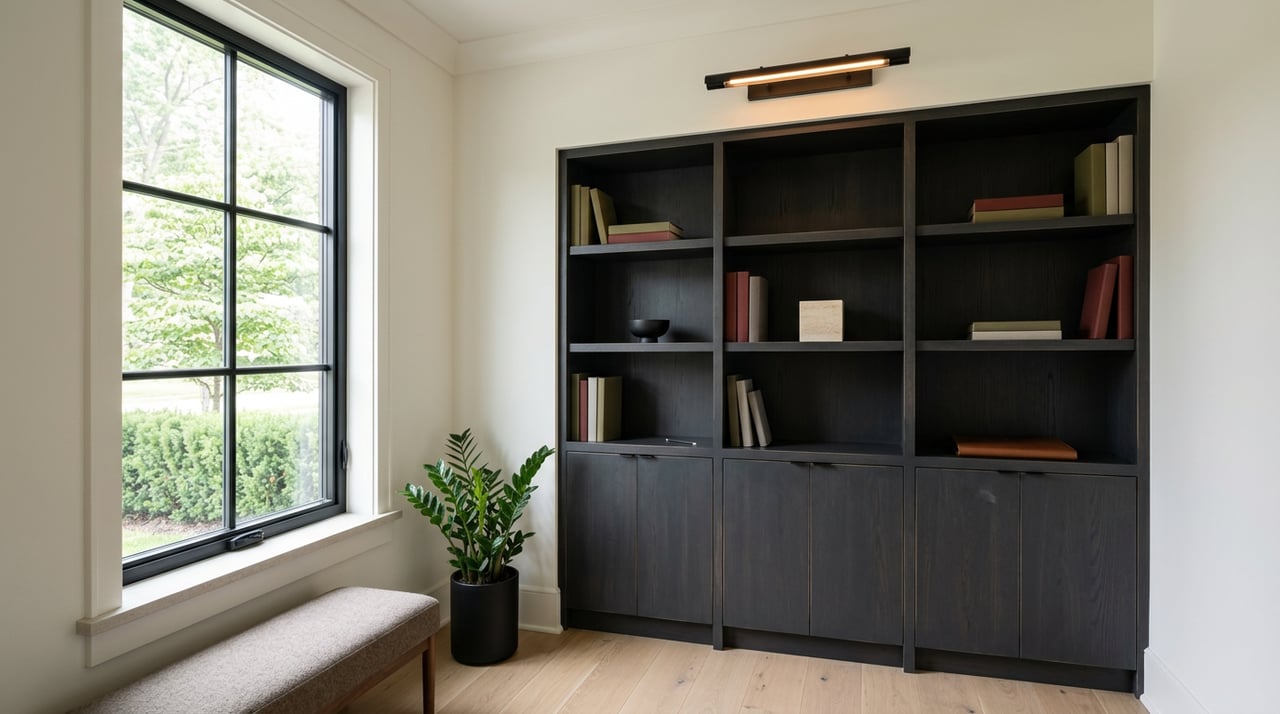
- Built-ins and cabinetry
- Staircases and newel posts
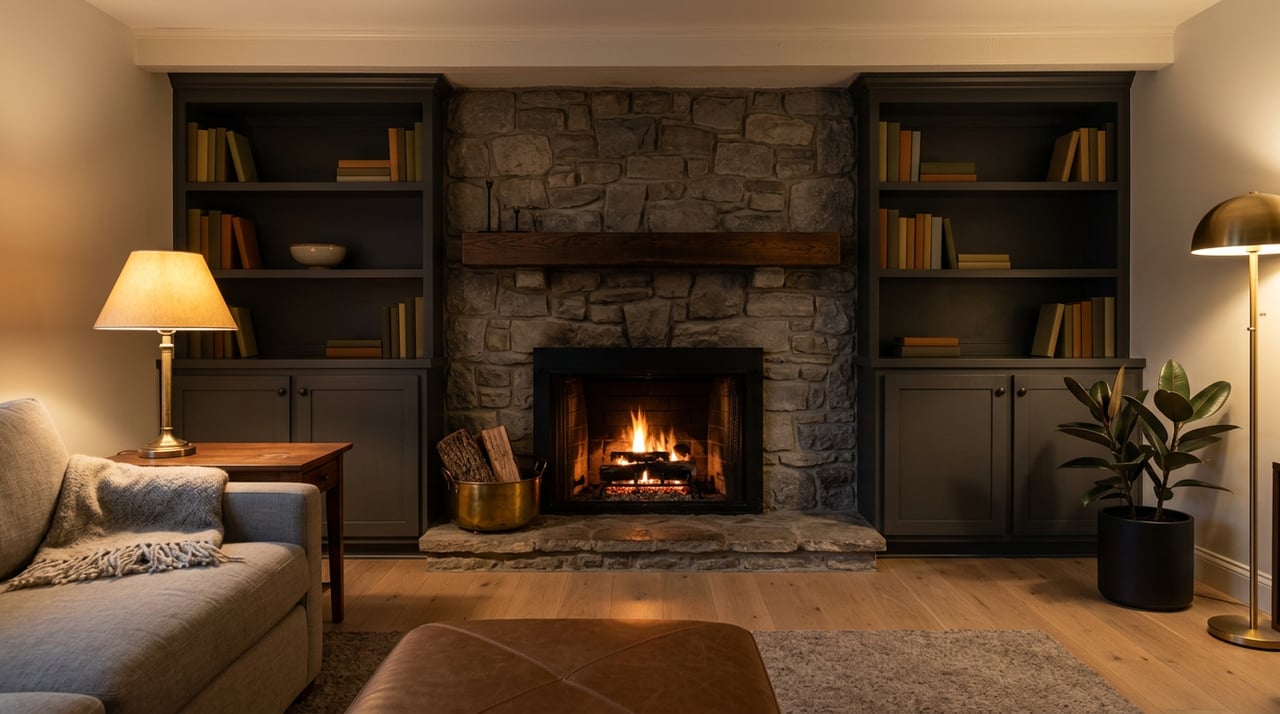
- Fireplaces or masonry details
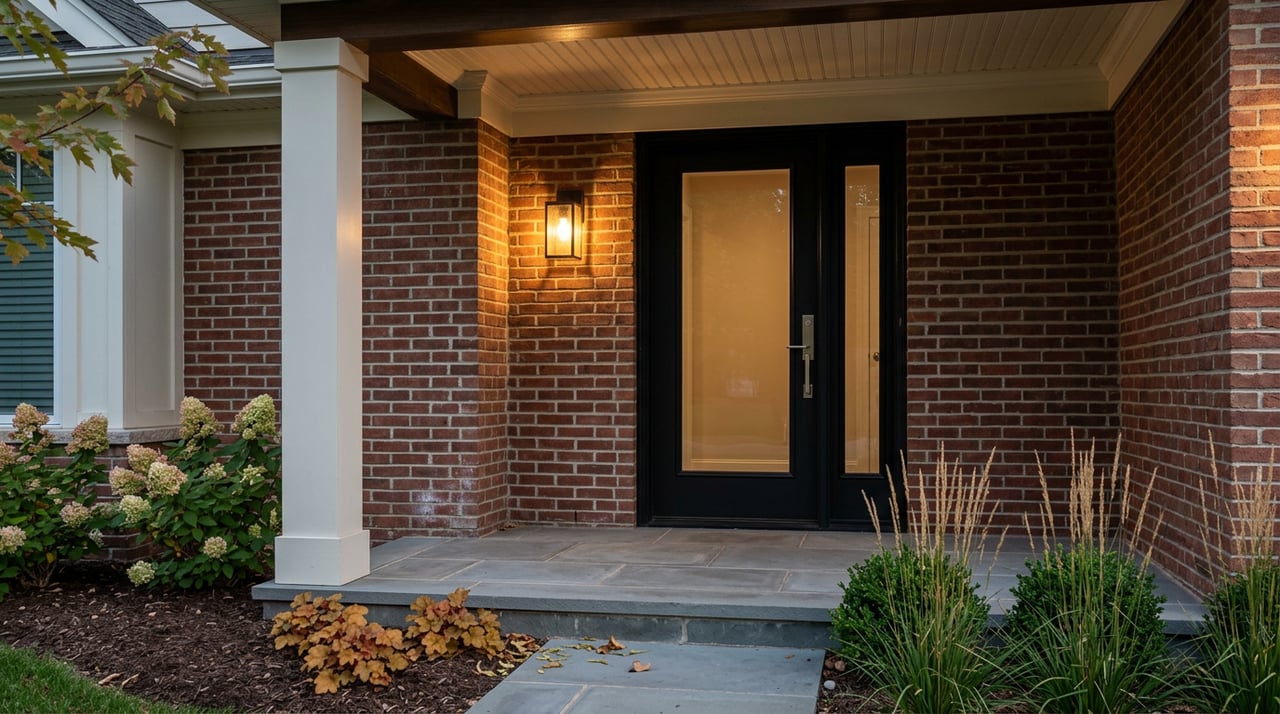
- Covered porches and exterior character
- Period light fixtures or hardware that remain in place
Keep furniture scaled appropriately so rooms feel functional but not crowded. Let natural light in where possible, and avoid décor choices that compete with the home’s architecture.
Use marketing that tells the home’s story
When buyers shop online, your home’s first showing usually happens on a screen. NAR says listing photos are the most useful feature in online home search for 81% of buyers. It also reports that photos, traditional staging, videos, and virtual tours all matter to buyers’ agents.
That makes presentation especially important for a historic Morris listing. Your marketing should do more than document the rooms. It should help buyers understand why the home matters and what makes it different.
What to show first
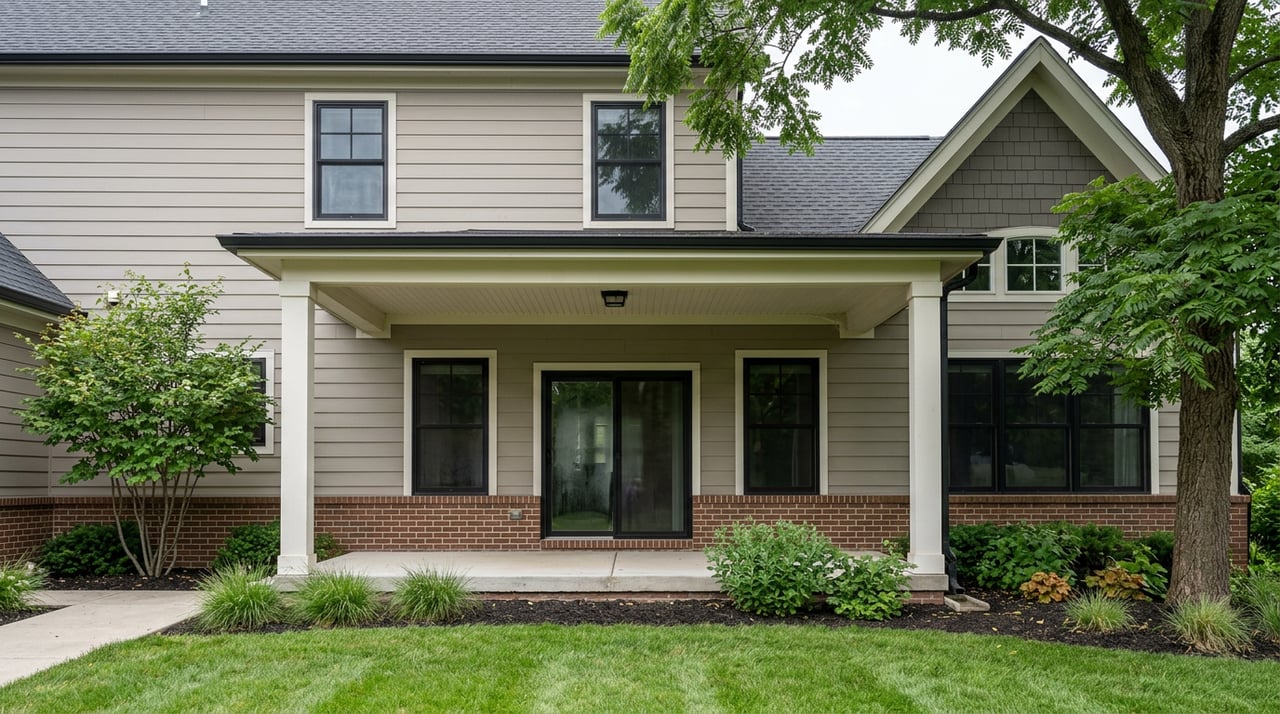
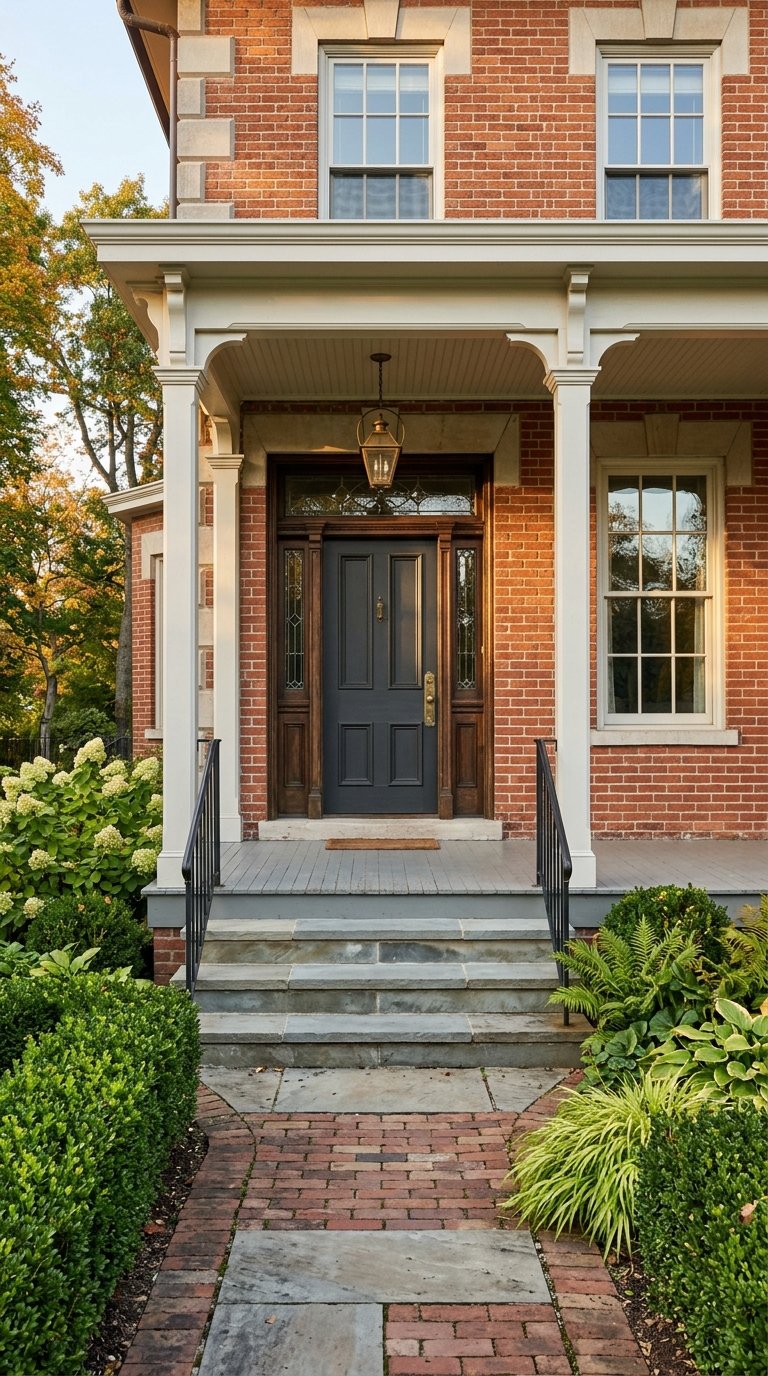
Start with a strong exterior image. Curb appeal is often part of a historic home’s identity, whether that means a front porch, distinctive roofline, mature landscaping, or decorative trim.
Then showcase the details that support the home’s story. Clean, well-lit images of original woodwork, built-ins, staircases, brickwork, and period features can help buyers appreciate the craftsmanship. NAR also cautions against edits that materially disguise condition, scale, or cost, so the presentation should stay truthful.
Why local storytelling matters in Morris
Morris offers built-in storytelling that can strengthen a listing. The city promotes its canal-town identity, museum, historic downtown, and self-guided walking tour that highlights Liberty Street and nearby historic buildings. If your home has original details, a known era, or a place within Morris’s architectural history, that story can help attract the right audience.
A strong listing narrative should explain what is original, what has been updated, and what a future owner will inherit. Buyers who value architecture and local history often respond well to that kind of context when it is presented clearly and factually.
Balance authenticity with buyer confidence
The best historic-home sales usually strike a simple balance. You want buyers to feel the character of the home, but you also want them to feel reassured about condition, maintenance, and next steps.
That means preparing the property carefully, pricing it with discipline, and marketing it with intention. In a town like Morris, where preservation and local history still matter, that approach can help your home connect with buyers who appreciate what makes it special.
Selling a historic home does not mean sanding away its personality to chase a broader audience. Often, your strongest results come from protecting the charm, addressing the meaningful issues, and presenting the home with honesty and skill.
If you are thinking about selling a historic home in Morris, Jim Ludes can help you price it thoughtfully, market it professionally, and highlight the details that make it worth remembering.
FAQs
What should you repair before selling a historic home in Morris?
- Focus first on maintenance and safety issues like leaks, water intrusion, visible deterioration, and major system problems, while preserving sound original features whenever possible.
How do appraisals work for historic homes in Morris?
- Appraisals are based on comparable sales and property details, but historic homes may require more careful comparable selection because similar sales can be limited.
Do you need permits for exterior work on a Morris historic home?
- Morris says permits are required for several types of exterior and structural work, including porches, additions, decks, fences, sheds, and demolition, so check with Building and Zoning before starting.
What disclosures apply when selling an older home in Illinois?
- Illinois sellers must provide the Residential Real Property Disclosure Report, and homes built before 1978 generally require lead-based paint disclosures; Illinois also requires a radon pamphlet and radon disclosure form.
How should you market a historic home in Morris?
- Use clean staging, strong photography, and accurate storytelling that highlights original details, updates, and the home’s connection to Morris’s historic character.