If you are wondering whether Morris is just a fun festival town or a place that truly works in everyday life, the short answer is this: it feels lived-in all year. You want more than a pretty downtown or a few busy weekends. You want to know what daily routines, housing options, and the pace of the seasons actually feel like once you are here. This guide will walk you through that real-world picture so you can decide whether Morris fits the way you want to live. Let’s dive in.
Morris has a clear daily rhythm
Morris feels like a small city with a strong center. The city’s planning documents describe downtown as the cultural and social center for residents, with Liberty Street, the Grundy County Courthouse, traditional retail, and pedestrian-oriented public space shaping daily life.
That matters because it gives the town a reliable heartbeat. Instead of feeling spread out or built around highway commercial corridors, Morris has a walkable core with older family-owned businesses, decorative paving, and pedestrian-scale lighting. Even on ordinary days, that layout helps the city feel active and connected.
The city also presents downtown as a place to shop and dine, not just a place to check errands off your list. With boutiques, specialty shops, and restaurants concentrated in town, Morris tends to feel socially grounded even when there is not a major event happening.
Downtown Morris shapes the lifestyle
If you spend time in Morris, downtown is hard to ignore because so much local life runs through it. The mix of public space, shops, dining, and civic buildings gives the area a steady, familiar energy that many buyers look for when they want a town with identity.
This is one reason Morris often feels more personal than purely functional. The downtown area is not just there for visitors. It is built into the routine of living here, whether that means grabbing a meal, walking through town, or showing up for seasonal events on and around Liberty Street and the courthouse lawn.
For buyers, that translates into a simple question: do you want to feel plugged into the town’s daily pulse? If the answer is yes, areas closest to downtown often offer the clearest connection to that lifestyle.
Spring in Morris feels like a reset
Spring in Morris tends to bring people back outside quickly. City event materials show programming starting in March and April, followed by spring concerts, rides, and market days in May and June.
That timing says a lot about the town. As the weather shifts, Morris leans into outdoor routines and shared public spaces rather than waiting for peak summer to come alive. If you like a place that starts moving as soon as winter breaks, Morris fits that pattern well.
Spring also helps you see how much the city values year-round recreation. It is not just about one busy month. It is about a steady return to downtown gathering, walking, and outdoor activity as the season changes.
Summer in Morris feels the most social
Summer is when Morris shows its full community energy. The city’s 2026 events card includes 3 French Hens Market, Morris Cruise Night, concerts on the Courthouse Lawn, Dulcimer Festival, Rhythm & BBQ, Movie in the Park, Rock the Park, and the Liberty Arts Festival.
That lineup helps explain why summer here feels so communal. Events are spread across downtown, Goold Park, and the courthouse lawn, which means activity is woven into the places residents already use.
Outdoor recreation also becomes a bigger part of everyday life. Riverfront Park sits on the Illinois River and offers space for sitting, picnicking, and watching boats pass. William G. Stratton State Park provides public launching ramps for boating, fishing, and waterskiing, and the I&M Canal State Trail adds a long bike-and-walk corridor through the canal landscape.
Goold Park adds even more to the summer routine with swimming, pickleball, a walking trail, and festival space. Put together, summer in Morris feels active without feeling chaotic. There is usually something to do, but there is also room to enjoy the town at your own pace.
Fall keeps the town active
Some towns quiet down sharply after summer. Morris does not seem to follow that pattern. Fall still feels social, but the energy shifts toward festivals, shopping, and cooler-weather outdoor time.
The city’s event schedule places Flannel Fest in late summer, the Grundy County Corn Festival in late September, and more market and Cruise Night dates in October. The Corn Festival is described as a countywide celebration centered on downtown Morris, which reinforces how important the city center remains through the season.
For residents, that means fall is not a shutdown period. It is more like a change in mood. The pace softens a bit, but the town still gives you reasons to head downtown and stay engaged.
Winter in Morris is more festive than quiet
Winter in Morris is not just about staying in. The city’s event calendar lists Home for the Holidays in late November, with a lighted holiday parade, Santa and his reindeer, a home-and-holiday walk, carriage rides, and more.
That kind of programming suggests a compact, tradition-driven winter season. Instead of relying on warm-weather assets alone, Morris uses its downtown setting to create a festive routine when the weather turns cold.
If you are trying to picture daily life here, that matters. A town that stays socially visible in winter often feels more stable and connected over the long term. Morris appears to carry that feeling well.
Housing in Morris supports different lifestyles
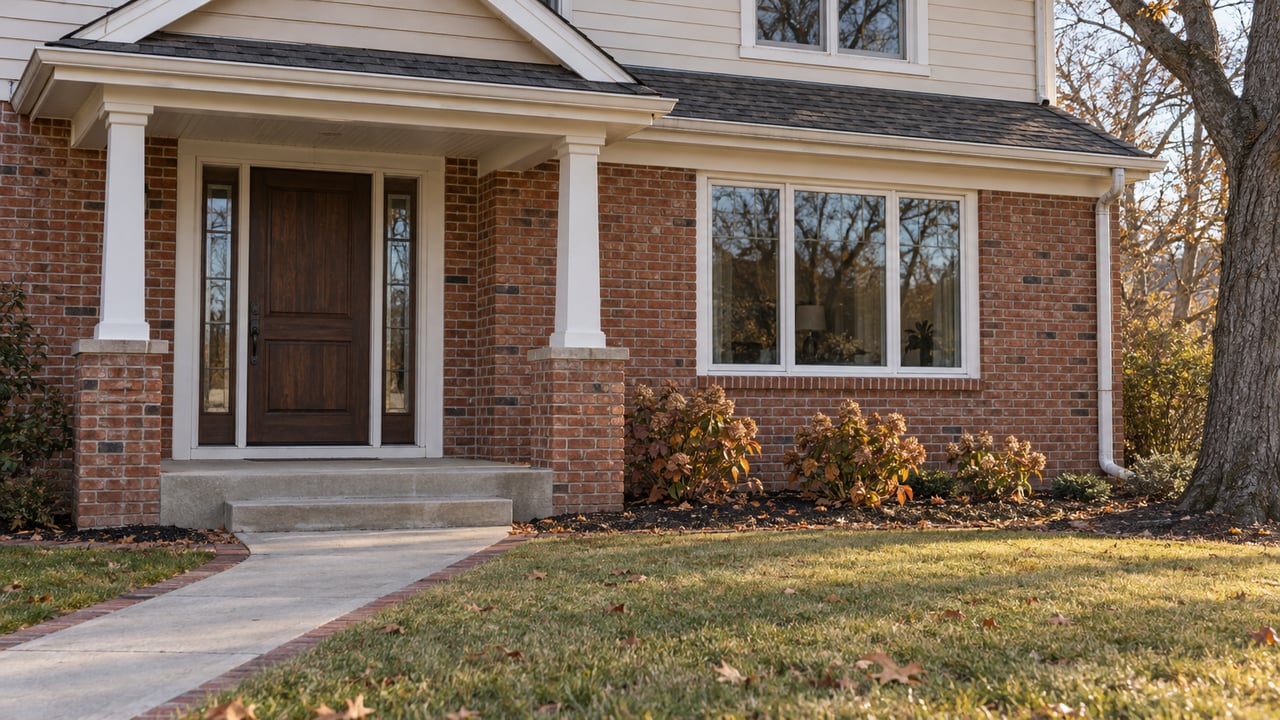
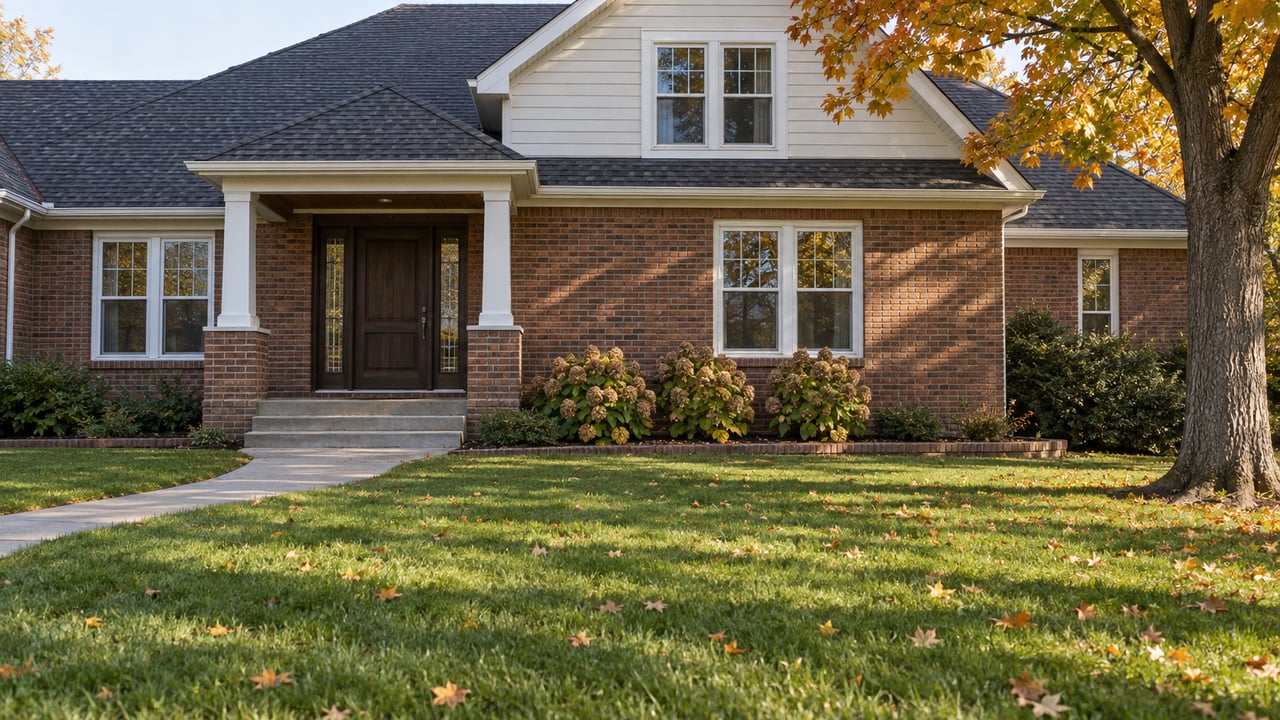
One of the most useful things about Morris is that the housing pattern is not one-size-fits-all. The city’s comprehensive plan says Morris is made up primarily of single-family housing, with older housing near downtown and newer developments extending west along US 6.
That variety helps explain why Morris can feel like several places at once. You can find in-town streets tied closely to the walkable core, more conventional subdivision settings, and edge-of-town areas with a more open rural character.
The city also notes that newer west-side developments use slightly larger lots and include both attached and detached single-family homes. At the same time, the planning area includes larger lots toward the edge in order to maintain a rural environment.
Older in-town homes offer closeness to the core
If your ideal routine includes walking or a short drive to shops, restaurants, events, and public spaces, older homes near downtown may feel like the right fit. The city’s plan treats downtown as a mixed-use district that can include residential, entertainment, governmental, cultural, and public-space functions.
That mix supports a lifestyle where you feel more connected to the visible life of the town. It is often a strong match for buyers who value character, convenience, and a neighborhood setting tied closely to Morris’s civic and social center.
Newer subdivisions offer a different pace
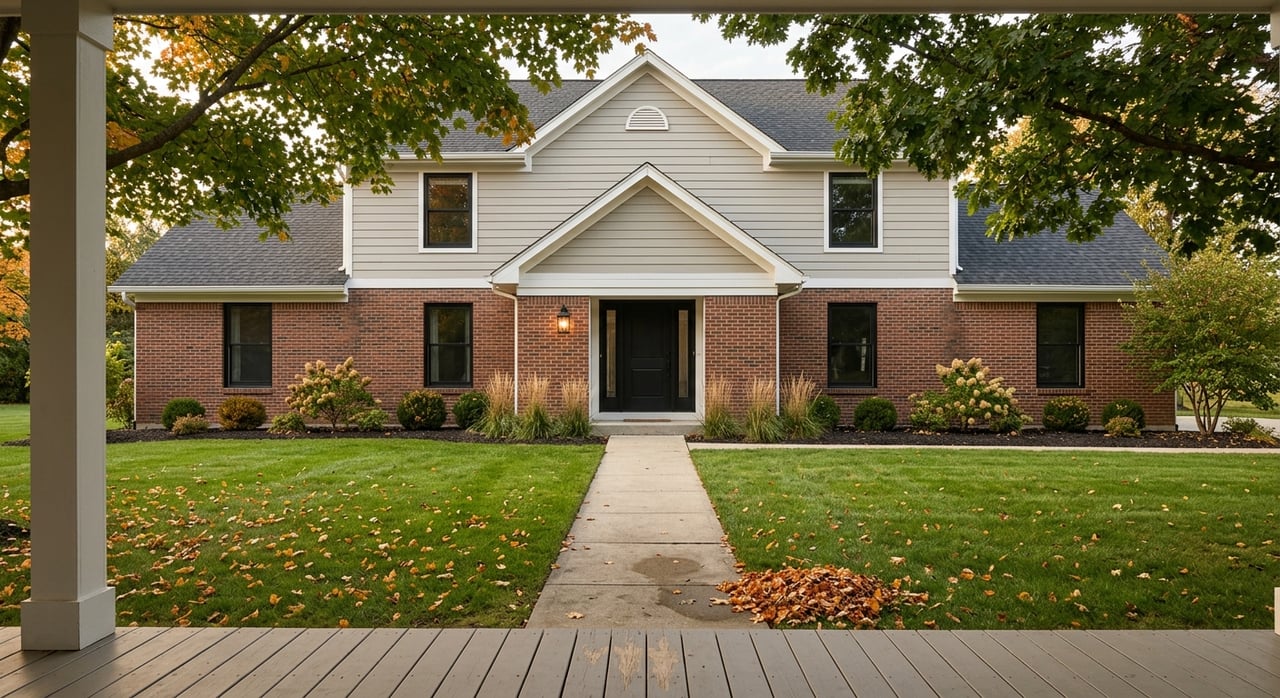
If you prefer newer housing and a more conventional residential layout, the west side and US 6 corridor are the clearest match based on the city’s plan. These areas include newer developments with slightly larger lots and a mix of attached and detached single-family homes.
For many buyers, that means a more familiar subdivision pattern with a little more separation from downtown activity. You are still in Morris, but the feel is different. It is often less about being in the middle of things and more about having a straightforward residential setup.
Edge-of-town areas bring more breathing room
Morris also appeals to buyers who want more open land and a quieter rhythm. In the city’s planning area, agriculture is the largest land-use category, and larger lots appear toward the edge to maintain a rural environment.
That gives Morris a blend that is hard to find in some markets. You can be close to town conveniences while still finding places that feel more open and less compact. For buyers looking at acreage-style living, that balance is a meaningful part of Morris’s appeal.
Morris feels accessible by local standards
Housing costs help shape how a town feels in real life, and Morris offers a useful benchmark here. According to the 2020-2024 ACS figures cited in the city’s comprehensive plan, Morris had 14,163 residents, 6,286 housing units, a 57.2% owner-occupied rate, a median owner-occupied home value of $247,400, and median gross rent of $1,132.
The city’s plan also notes that Morris is relatively affordable compared with Kendall and Will Counties and has a larger share of rental housing than many nearby towns. For buyers and renters alike, that can mean a bit more flexibility than you may find in some neighboring areas.
Of course, your budget and goals still drive the right move. But from a lifestyle standpoint, Morris presents itself as a place where different household types can often find an entry point that fits.
How to choose the right fit in Morris
If you are trying to decide where you would feel most comfortable, it helps to think in terms of routine instead of just home features. The city’s planning patterns point to three broad lifestyle fits:
- Downtown and near Liberty Street if you want walkability, storefront energy, and close access to the town’s social core
- West side and newer subdivisions if you want a more conventional residential pattern and newer housing options
- Edge-of-town and larger-lot areas if you want more open land, a quieter pace, or acreage-style living
This is where local guidance makes a real difference. A home can look right on paper but feel very different once you connect it to how Morris actually works day to day.
What year-round life in Morris really feels like
At its core, Morris feels balanced. It has a downtown that acts as a real social center, parks and river spaces that support outdoor routines, and housing choices that range from older in-town homes to newer subdivisions and more open edge-of-town properties.
That is what makes the town feel active in every season instead of only on festival weekends. You are not just buying into a calendar of events. You are buying into a place with a steady rhythm, visible community life, and enough variety to match different ways of living.
If you are weighing a move to Morris or trying to narrow down which part of town fits you best, talking it through with a local expert can save time and make the decision clearer. If you want help comparing lifestyle fit, housing options, or your next move in the Morris area, connect with Jim Ludes.
FAQs
What does everyday life in Morris, Illinois feel like?
- Everyday life in Morris tends to center on a walkable downtown, local shops and restaurants, seasonal community events, and easy access to parks, trails, and river recreation.
What is summer like in Morris, Illinois?
- Summer in Morris is the town’s most social season, with markets, concerts, festivals, park events, river access, the I&M Canal State Trail, and activities at places like Goold Park and Riverfront Park.
What is winter like in Morris, Illinois?
- Winter in Morris still feels active because downtown traditions continue with holiday events such as Home for the Holidays, including a lighted parade, carriage rides, and other seasonal activities.
What types of homes can you find in Morris, Illinois?
- Morris includes older homes near downtown, newer single-family attached and detached homes along the west side and US 6 corridor, and larger-lot or acreage-style properties near the edges of the planning area.
Is Morris, Illinois more affordable than nearby areas?
- The city’s comprehensive plan says Morris is relatively affordable compared with Kendall and Will Counties, and the 2020-2024 ACS figures cited in that plan show a median owner-occupied home value of $247,400 and median gross rent of $1,132.
Which part of Morris, Illinois fits my lifestyle best?
- If you want walkability and downtown energy, focus near downtown and Liberty Street; if you want newer subdivision living, look to the west side and US 6 corridor; if you want more open space, explore larger-lot areas near the edge of town.