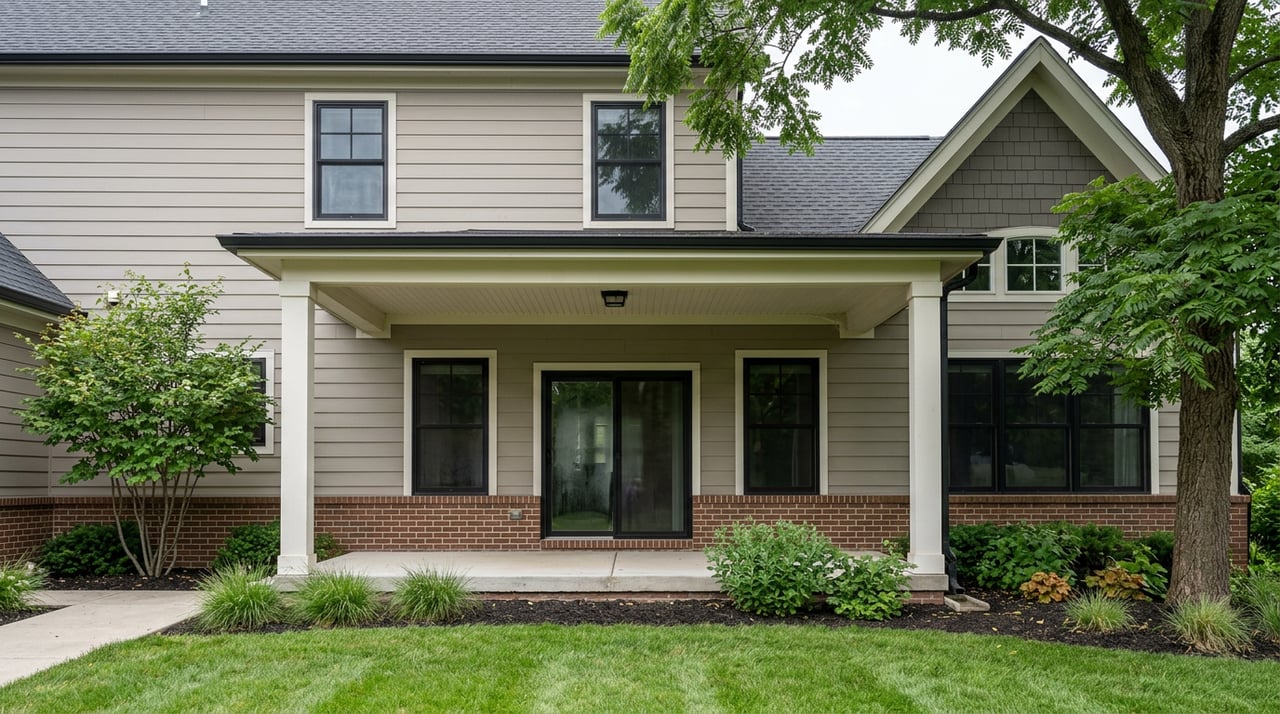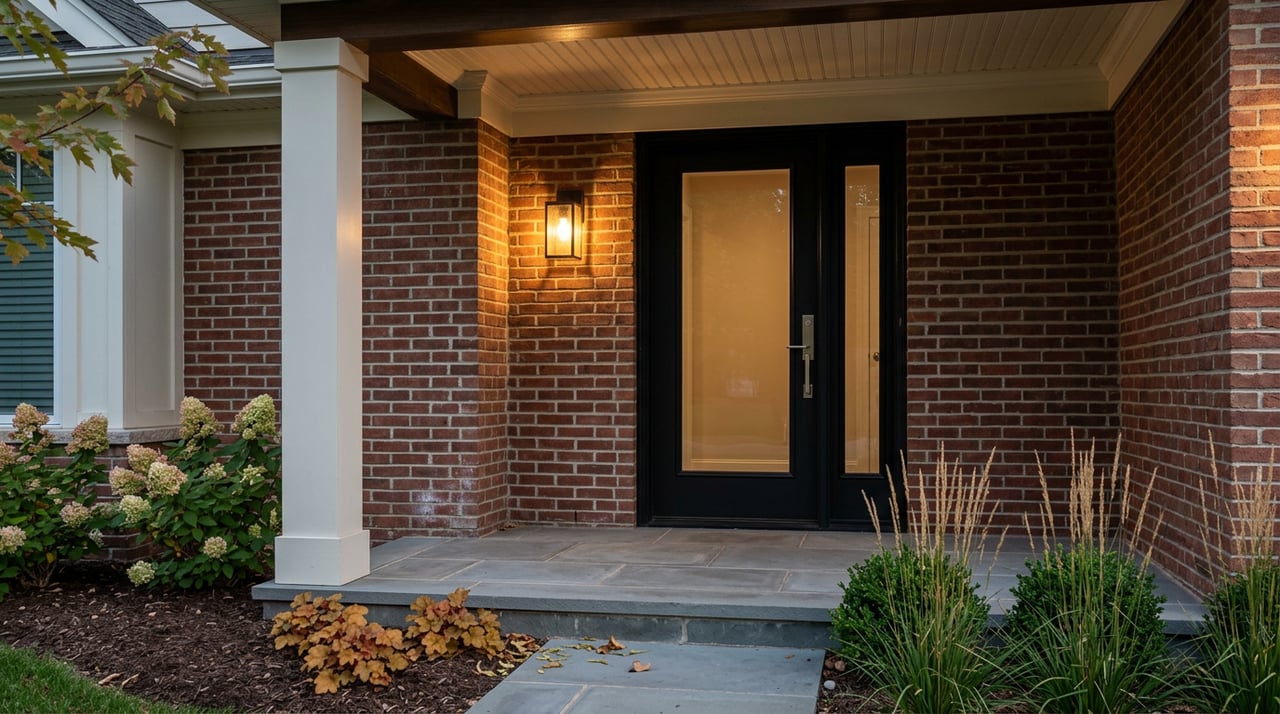
Thinking about a brand-new home with modern finishes or a well-kept resale in a quiet, established street? If you’re looking in Coal City or Diamond, you have options in both lanes, and each comes with tradeoffs. You want a clear picture of total cost, realistic timelines, inspections, and warranties before you choose. This guide walks you through what to expect locally so you can decide with confidence. Let’s dive in.
Total cost: beyond the list price
Purchase price vs. real cost
New construction often shows a base price for a standard lot and features. The final price can rise with lot premiums and upgrades. Resale pricing typically reflects condition, recent comparable sales, and room for negotiation. In both cases, you’ll want recent comps and local agent insight to land on a fair price.
Closing costs and incentives
Builders sometimes offer incentives like closing cost assistance or rate buydowns. They may also require higher deposits at certain milestones, especially for semi-custom or custom builds. On resales, buyers usually pay standard lender, title, and escrow fees, and seller credits are common if negotiated. Always ask for a detailed loan estimate and a written breakdown of any builder fees.
Property taxes in Grundy County
With new construction, early tax bills may reflect only the lot value. After completion and reassessment, your taxes usually increase to reflect the completed home. The timing varies by county and can affect your budget. With resales, taxes are known and part of your decision from the start.
HOA dues and special assessments
Some subdivisions have HOAs with setup fees, monthly or quarterly dues, and sometimes capital assessments to fund shared infrastructure. Older neighborhoods may not have HOAs. If they do, review the financials and any recent special assessments.
Insurance, utilities, and maintenance
New builds typically benefit from modern codes, new systems, and energy-efficient construction, which can reduce short-term maintenance and utility costs. Resales may require near-term repairs to roofs, HVAC, plumbing, or electrical. Factor in energy use and any deferred maintenance when you compare homes.
Long-term value
Lot location, neighborhood features, and build quality all influence future value. New homes in well-designed subdivisions can appreciate well, while established neighborhoods may offer mature landscaping and larger lots. Consider how future development or supply in nearby communities might affect long-term value.
Timelines and what to expect
Resale timeline
Most resale market purchases close in 30 to 60 days, depending on your lender, appraisal timing, inspections, repairs, and title work. This path suits a fixed move date or a tight start date for work or school.
New construction timelines
If a builder’s quick-delivery home is already complete, you can often close in 30 to 60 days after loan approval. Inventory homes that are nearly finished may need an extra month. Build-to-order or custom homes commonly take 4 to 12 months or longer from contract to completion.
Key milestones include:
- Lot reservation and deposit
- Home and options selection window
- Construction stages (foundation, framing, mechanical rough-ins)
- Municipal inspections and certificate of occupancy
- Final walkthrough and punch list
Common delay factors
Weather, labor or material shortages, permit backlogs, buyer change orders, utility hookups, and lender or appraisal delays can extend your schedule. If timing is critical, favor resales or finished inventory.
Practical timing advice
Set realistic expectations and include a buffer for the unexpected. Align your lease or sale timeline to your closing target, and keep communication open with your lender and builder to catch issues early.
Warranties and buyer protections
What builders typically cover
Most new homes include a written warranty. Common structures include a 1-year limited warranty for materials and workmanship, a 2-year systems warranty for mechanical, electrical, and plumbing, and a 10-year structural warranty. Confirm coverage, start date, transferability, exclusions, and the claim process in writing.
Contracts and dispute language
Builder contracts may include arbitration or limits on liability, along with defined dispute processes. Review these with a knowledgeable professional before you sign. Make sure you understand timelines, deposit terms, and what happens if delays occur.
Resale protections
Resale contracts typically include inspection contingencies. You can use inspection findings to request repairs or credits, or to cancel within the contingency window if terms aren’t acceptable.
Inspections: new build vs. resale
New construction: municipal vs. independent
Municipal inspections check code compliance at key stages and prior to issuing a certificate of occupancy. These are important but not a substitute for your own independent inspections. Hire an inspector experienced with new construction to review pre-drywall framing, mechanical rough-ins, and the final product. Consider specialized checks, including radon testing, sewer lateral or septic evaluations, grading and drainage, and pest inspections.
Resale inspections
A standard home inspection covers structure and visible systems. Buyers often add sewer scoping, pest, radon, mold, and lead-based paint testing for older homes. Inspection results are usually part of your negotiation.
New-build inspection checklist
- Verify the certificate of occupancy before final payment.
- Schedule a pre-drywall inspection to review insulation, wiring, and ductwork.
- Order a final inspection and create a detailed punch list.
- Test radon and review grading and drainage.
- Confirm sewer or septic condition and utility connections.
Local factors in Coal City and Diamond
Utilities and sewer
Not every lot is the same. Some subdivisions connect to municipal water and sewer, while others require well and septic. Confirm utility availability, tap fees, and timing before you commit to a lot or a home.
Floodplain and drainage
Review local flood maps and subdivision drainage plans. Newer communities may include stormwater easements or detention basins that the HOA maintains. Understand any easements on the lot you’re considering.
Roads and infrastructure
Phased subdivisions sometimes complete roadwork and public improvements in stages. Ask how this may affect access, mail delivery, and services during and after construction.
Builders, lots, and HOAs
Production builders offer standard plans with faster timelines, while custom or local small builders provide more flexibility with longer schedules. Lot premiums may apply to cul-de-sacs, corner lots, or lots with views. For HOAs, request budgets, reserve plans, rules on rentals and exterior changes, and the timeline for any promised amenities.
Which path fits your goals?
Choose new construction if you value modern systems, lower near-term maintenance, and the ability to select finishes. Plan for the total cost of upgrades, possible lot premiums, and a reassessment bump in property taxes once the home is complete. Choose resale if you want a known tax history, an established neighborhood feel, and a faster move-in. Budget for potential repairs and updates.
If your timeline is fixed, a resale or completed inventory home may be the most reliable. If you have flexibility and want tailored finishes, a new build can be rewarding with the right plan, inspections, and written warranty protections.
Step-by-step buyer checklist
Pre-contract
- Get pre-approved and determine if you need a construction-to-perm loan or a standard mortgage.
- Request an itemized builder price sheet showing base features and upgrade costs.
- Ask for draft contracts and warranty documents and review them with a professional.
During contract
- Confirm utilities by lot and identify any tap fees.
- Clarify the deposit schedule and which funds are refundable.
- Outline inspection stages and confirm who obtains the certificate of occupancy.
- Add clear language for punch list completion and the warranty start date.
Inspection and closing
- Hire an inspector with new-construction experience for pre-drywall and final inspections.
- Order radon testing, sewer or septic checks, pest inspections, and HVAC evaluations as needed.
- Verify structural and systems warranty coverage and transferability.
- Confirm property tax estimates and HOA dues for your budget.
Post-closing
- Keep all warranty documents, manuals, and builder contacts in one place.
- Report issues promptly and in writing per warranty procedures.
- Follow routine maintenance to protect coverage and preserve value.
Ready to compare specific homes or lots in Coal City and Diamond with a local, plan-first approach? Let’s map your timeline, budget, and must-haves and then act with confidence. Reach out to a Hexagon Real Estate agent for clear, local guidance.