Coffee on the dock at sunrise. Kayaks slipping into calm water. A quick evening cast after work. If you’re drawn to the river-and-lake lifestyle in Wilmington, you’re not alone. Life along the Kankakee River and nearby lakes offers a laid-back rhythm with a few practical details to understand before you buy. In this guide, you’ll learn what daily life looks like by season, what to look for in waterfront lots and homes, and which permits, insurance, and maintenance items matter most. Let’s dive in.
Where the water is
Wilmington sits on the Kankakee River, which is the area’s defining waterfront. It’s an active regional waterway that supports recreation and wildlife and, in some stretches, modest commercial activity. Around town and throughout Will County, you’ll also find small lakes, ponds, and quarry-style waters. Some are private, some are community amenities, and public access varies.
Access and getting on the water
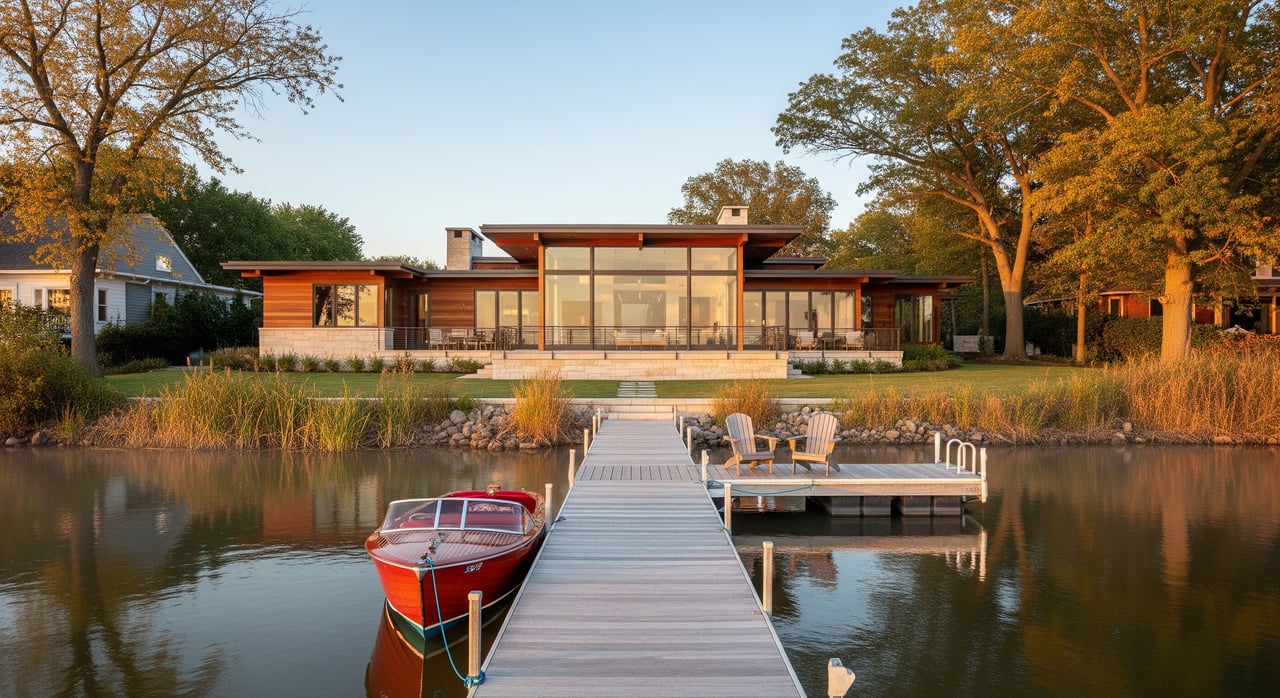
You can reach the water through public launches, local parks, or a private dock if your property allows it. Launch sizes and parking capacity differ by site, and many ramps are best suited to kayaks, canoes, and small fishing boats. Larger trailered boats are possible at select locations but are less common. Day-to-day needs like groceries, fuel, and hardware are close by in Wilmington, while specialized marine services are often found in larger nearby towns or the broader Chicago metro area.
Lifestyle by season
Spring and summer
Warm months bring the most activity. You’ll see kayaks, canoes, pontoons, and small outboards on the Kankakee, with more boat traffic on sunny weekends. In narrower stretches, smaller craft and low speeds are the norm. Many residents fish from docks or small boats and enjoy casual dockside gatherings and barbecues. If you plan to swim, do so where currents, depth, and water quality are suitable, and follow local safety guidance.
Autumn
Fall means quieter water, colorful views, and crisp air for hiking and wildlife watching. It’s also prep time. Homeowners often winterize boats, remove or secure floating docks, and check shoreline stabilization before freezing conditions arrive.
Winter
The river view turns serene. Ice can form, but conditions vary and change quickly, so avoid assumptions about safe ice thickness. Boating slows way down, and residents shift to winter walks and seasonal maintenance. After freeze-thaw cycles, it’s smart to inspect docks, seawalls, and shoreline edges.
Homes and lots you’ll find
Common styles and settings
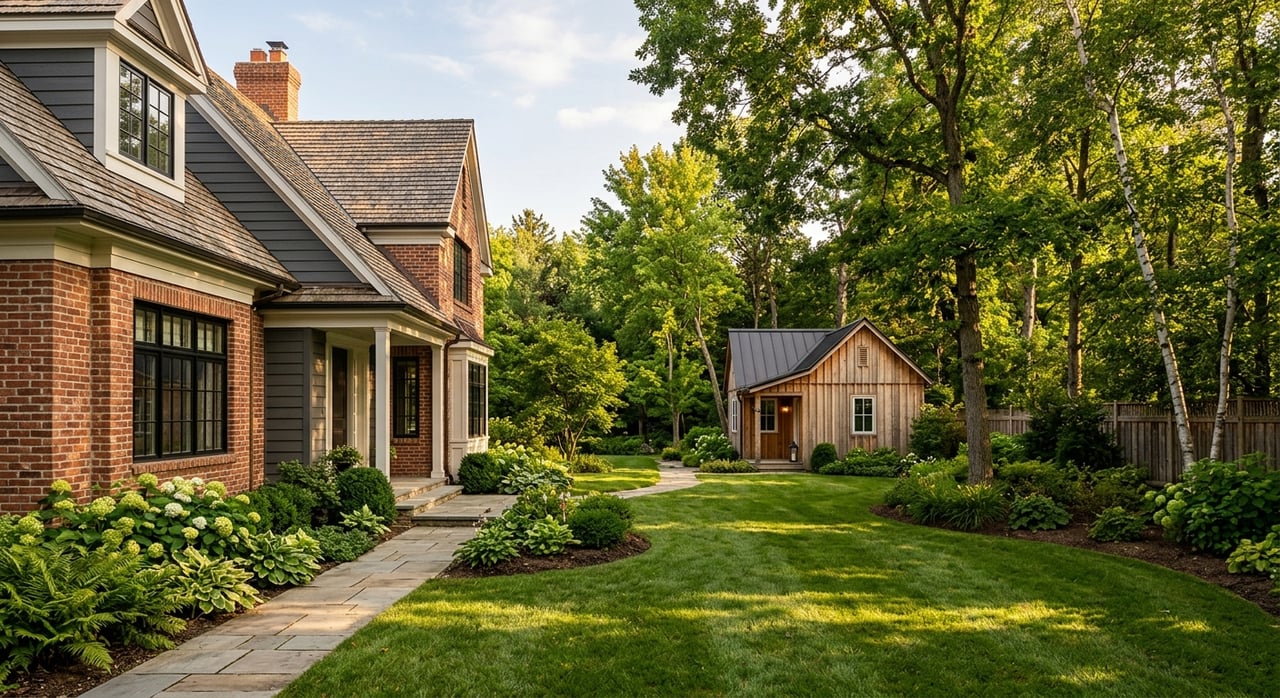
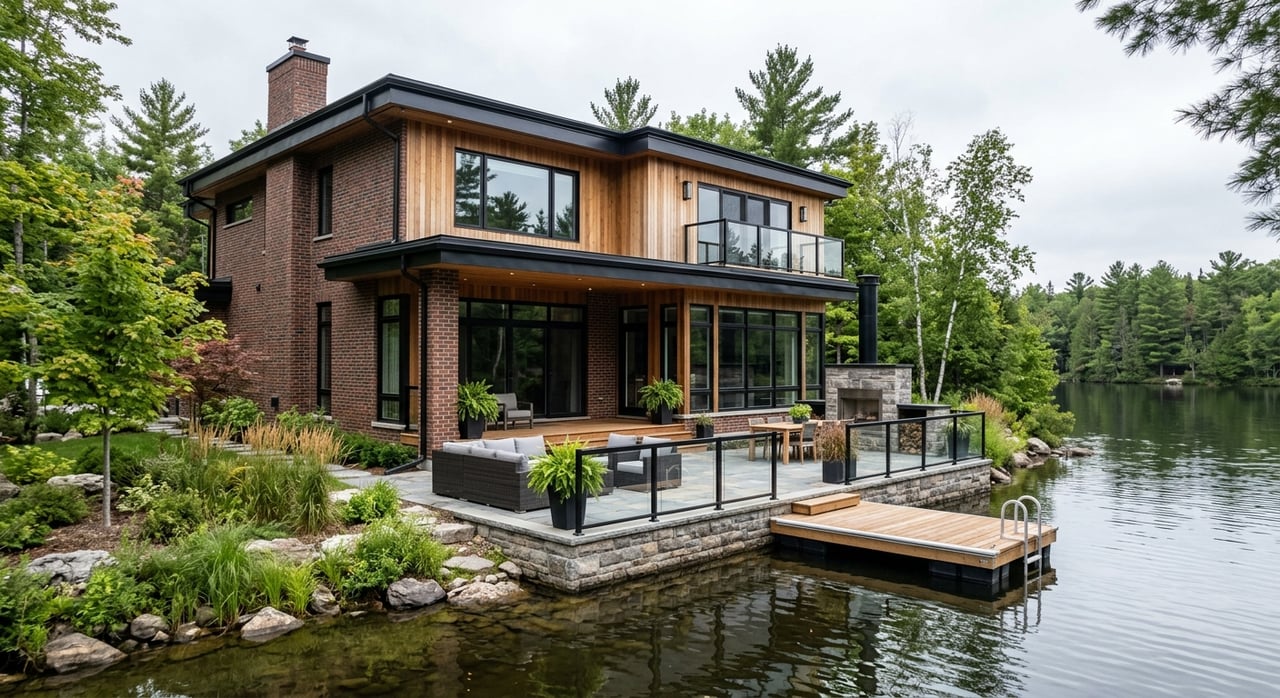
Waterfront properties range from modest cottages and cabins to traditional two-story homes and ranches, plus occasional newer builds on subdivided river lots. Some homes sit close to town on municipal services. Others feel more tucked away and may rely on private wells and septic systems.
Waterfront features that matter
When you tour a property, focus on features that shape your day-to-day use and long-term value:
- Frontage and slope: Length of usable shoreline, whether the bank is a bluff or gently sloping yard, and how easy it is to reach the water.
- Dock potential: What size and type of dock is allowed, where boats can tie up, and how you’ll launch small craft.
- Shoreline stability: Existing riprap or seawalls, native vegetation, and signs of erosion or sediment buildup.
- Utilities and systems: Confirm municipal water and sewer versus private well and septic. Ask about septic age, maintenance history, and any recent inspections.
- Access and parking: Road width, driveway length, snow removal needs, and space for boat trailers if you plan to keep one on-site.
- Setbacks and buildable area: Floodplain, riparian buffers, and local setback rules can limit expansion. Note where future additions could go.
Rules, permits, and safety basics
Waterfront living is rewarding, but it comes with extra homework. Here’s what to keep top of mind as you evaluate properties:
- Flood risk and mapping: Many riverfront parcels sit in or near FEMA-designated flood zones. Check the FEMA Flood Map for the specific address and review any available elevation certificate. If the home is in a Special Flood Hazard Area and you use a federally regulated lender, flood insurance is typically required.
- Flood insurance costs: Premiums depend on elevation relative to the Base Flood Elevation, building details, and prior claims. Ask for the property’s claims history and obtain quotes early to avoid surprises.
- Docks and shoreline work: Private docks, riprap, seawalls, and other in-water or bank projects usually require permits. Local municipal or county offices are your first stop, and state or federal agencies can have jurisdiction on navigable waters like the Kankakee. Always confirm permits before altering shorelines.
- Riparian rights and shared access: Owning the shoreline does not automatically grant unlimited use or the right to build over the water. Deeds, plats, HOA covenants, and local ordinances may limit structures or spell out shared docks. Request and review these documents during due diligence.
- Boating rules and no-wake zones: Expect Illinois boating laws and local speed or wake restrictions, especially on narrower river sections to protect banks and reduce conflict with paddlers.
- Water quality and advisories: Conditions can shift with weather and season. For swimming, fishing, or algal concerns, look to recent advisories from local health departments or state environmental agencies.
- Septic near water: If municipal sewer is not available, septic placement and repairs are regulated, with specific setbacks from the shoreline. Factor in routine pumping and potential upgrade costs.
Costs, maintenance, and resale
Ongoing upkeep and budgets
Waterfront properties ask for a bit more attention. Plan for dock maintenance, annual inspections, and winter removal or securing. Watch for erosion, maintain shoreline vegetation, and budget for riprap or hardware replacement over time. After storms, debris cleanup and yard care are common. If you have a septic system, pumping and inspections every few years is typical.
Insurance and utilities
Flood insurance can add to your monthly costs, and some carriers price homeowners policies higher for homes near water. Get quotes as part of your early budgeting. Utility costs are usually similar to inland homes, but private well testing and septic upkeep add recurring expenses where applicable.
Resale factors
Waterfront homes often command a premium over comparable inland properties. Value hinges on usable frontage, dock rights, flood risk profile, condition, and ease of year-round access. Clear riparian rights, current permits, and a clean claims history make a property more attractive when it’s time to sell.
How to shop smart for Wilmington waterfront
Use this checklist to bring clarity to your search:
- Confirm the exact waterbody, frontage length, and shoreline slope. Note access points and where a dock could sit.
- Ask sellers for prior dock or shoreline permits, plans, and any elevation certificate.
- Review FEMA flood mapping for the address and request insurance quotes early.
- Verify utilities: municipal water/sewer versus well/septic. If septic, ask for age, service records, and recent inspections.
- Walk the lot for erosion signs, soft soils near the bank, and high-water debris lines.
- Observe neighboring uses. Understand informal norms around fishing, boat traffic, and quiet hours.
- Clarify HOA rules, shared access agreements, and any deed restrictions.
- Plan seasonal care: Where will you store or secure a dock and small craft in winter?
Buying with confidence
River and lake living in Wilmington blends everyday convenience with a close-to-nature feel. When you pair the lifestyle draw with careful due diligence on flood risk, permits, utilities, and shoreline health, you get the best of both worlds. A knowledgeable local advisor can help you evaluate lots, read zoning and flood information, and negotiate with clarity.
Ready to tour waterfront options or review a specific property’s details? Connect with a Hexagon Real Estate agent to get local, step-by-step guidance from search through closing.