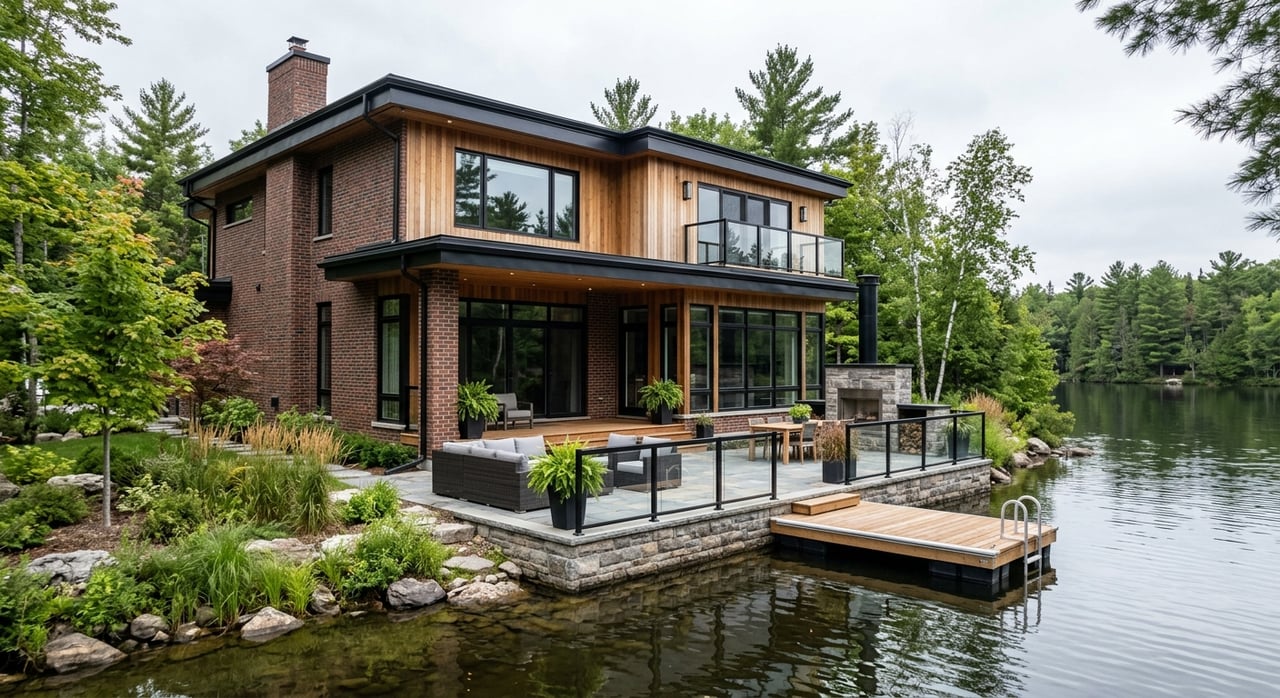
Looking for lake living without giving up the routines of everyday life? That is exactly what draws many buyers to Braidwood. If you are wondering what it really feels like to live year-round in Braidwood’s lake communities, this guide will help you understand the setting, the housing patterns, and the day-to-day tradeoffs so you can decide whether the lifestyle fits you. Let’s dive in.
What makes Braidwood lake living different
Braidwood’s lake identity is shaped by a mix of public recreation areas and private amenities. The Illinois Department of Natural Resources says the Mazonia-Braidwood complex is one of northeast Illinois’ most popular hunting and fishing destinations, with Mazonia State Fish and Wildlife Area spanning 1,017 acres and Braidwood Lake Fish and Wildlife Area covering 2,640 acres.
That means “lake living” here is not always the same as living in a typical subdivision built around one private pond or one shared shoreline. In Braidwood, some access points are public, some are private, and some amenities may be tied to a specific property or membership.
The area also has a distinct landscape story. Local recreation spaces grew out of land shaped by strip-mining history, with recreation amenities developed from reclaimed terrain and spoil hills. As a result, the outdoor feel around Braidwood can be more rugged, open, and recreation-driven than you might expect from a more conventional lakeside community.
Year-round living vs weekend lake use
If you are thinking about living in Braidwood full-time, it helps to separate the idea of a vacation spot from the reality of a primary residence. Braidwood appears to function much more like a stable, lived-in community than a seasonal resort market.
Census estimates show a July 1, 2025 population of 6,196, which is essentially unchanged from the 2020 census count of 6,194. The same source says 91.9% of residents were living in the same house one year earlier, which points to a community with a strong pattern of long-term residence.
That stability matters if you want a place where neighbors tend to stay put and homes are used for everyday living. It suggests that year-round ownership in Braidwood is less about rotating weekend visitors and more about putting down roots.
Housing patterns that support full-time life
Braidwood’s housing stock also supports the idea of practical, full-time living. According to CMAP, 72.5% of the housing stock is single-family detached, and 51.7% of homes have three bedrooms.
Those numbers matter because they tell you what kind of homes are common here. If you want room for storage, hobbies, outdoor gear, or guests, Braidwood’s housing mix may feel more functional than a condo-heavy market.
CMAP also reports a median year built of 1994, with 59.8% of homes built between 1990 and 2009. That points to a housing base that is relatively modern by small-town standards while still offering a settled neighborhood feel.
The owner-occupied housing rate is 86.8%, and 69.1% of households have two or more vehicles. In plain terms, Braidwood tends to fit people who want driveway-and-garage living, not a dense, walkable resort setup.
Know the difference in lake access
One of the most important things you can do as a buyer is verify exactly what “lake access” means for any property you consider. In Braidwood, that phrase can mean very different things depending on location and ownership structure.
Some recreation areas are state-managed. Others are private and membership-based, such as the Braidwood Recreation Club, which offers amenities including beach access, camping, fishing, and golf.
Because access rules can vary, you should confirm details like:
- Whether water access is public or private
- Whether boat launching is included or separate
- Whether guest use is allowed
- Whether access is tied to lot ownership, club membership, or another arrangement
- Whether any seasonal rules affect storage or use
This step can help you avoid surprises after closing. It is especially important in an area where the recreation system is a blend of public land and private amenities.
What daily life looks like by season
Braidwood’s lake lifestyle changes through the year, and that is part of its appeal. Summer naturally brings more activity around fishing, boating, beach time, camping, and golf.
In cooler months, the pace shifts. The park district lists amenities such as a skate park, disc golf course, and sledding hills, and it notes that park grounds close at dusk.
That rhythm gives year-round residents more than one way to enjoy the area. Instead of everything depending on peak lake season, your lifestyle can shift with the calendar and still stay active.
For buyers who like outdoor recreation but do not need nonstop summer energy all year, that can be a strong fit. You get a place where recreation remains part of everyday life, even when the weather changes.
Seasonal logistics matter more than you think
Year-round lake living also comes with small practical details that matter. The Braidwood Recreation Club notes that boats may be stored on club grounds after March 1 and must be removed by November 15, even though daily boat use is allowed year-round.
That kind of rule may not sound major at first, but it can shape how you plan storage, maintenance, and winter prep. If you own a boat, trailer, or other gear, those timelines affect your routine.
It is also worth remembering that access conditions can change. The Illinois Department of Natural Resources maintains a current closures page, which shows that site access and boating conditions may shift due to maintenance or other issues.
Commuting and errands are part of the tradeoff
Living near recreation does not mean every convenience is next door. CMAP describes Braidwood as a transportation hub, with Interstate 55 along the west side of town and Illinois Routes 53 and 129 along the east side.
That road access is useful, but it also reflects the area’s car-based lifestyle. CMAP reports that 90.6% of workers drive alone, 4.6% work from home, and 0.0% use transit.
Commute times support that picture. CMAP shows a mean commute of 27.3 minutes, while Census QuickFacts reports 29.3 minutes.
If you are considering year-round life here, it is smart to think beyond the lake itself. You may enjoy more space and recreation access, but you should also expect to budget time for driving to work, errands, and broader shopping or dining trips.
Braidwood’s land use shapes the lifestyle
The town’s land-use pattern helps explain why daily life feels the way it does. CMAP reports that single-family residential uses make up 46.4% of land use, while commercial land accounts for 1.7% and vacant land makes up 16.3%.
That mix tends to support a quieter, more spread-out environment. It also helps explain why residents in the comprehensive plan process expressed interest in more stores, restaurants, and community amenities.
For you as a buyer, the message is simple. Braidwood can offer a relaxed, recreation-focused lifestyle, but it is not trying to function like a larger retail-heavy suburb.
Who year-round lake living fits best
Braidwood’s lake communities may be a strong fit if you want a home base that blends outdoor access with a steady, small-market housing environment. The area appears especially well suited to buyers who value space, vehicle access, and a home that supports hobbies and gear.
You may feel especially comfortable here if you are looking for:
- A single-family home environment
- Room for outdoor equipment or seasonal gear
- A stable, owner-occupied community feel
- Access to fishing, boating, camping, or golf
- Highway connections for commuting by car
On the other hand, if you want a highly walkable environment, a condo-focused market, or a long list of nearby retail and dining options, Braidwood may feel more limited. The best fit depends on how you balance recreation, convenience, and day-to-day routines.
How to shop smart in Braidwood
If you are serious about buying in one of Braidwood’s lake-oriented areas, focus on the details that affect full-time living. A home can look perfect online, but the right purchase comes down to how well the property supports your actual lifestyle.
As you compare homes, pay close attention to:
- The type of lake or recreation access attached to the property
- Storage for boats, trailers, and outdoor equipment
- Drive times to work and frequent errands
- Parking, garage, and driveway capacity
- Seasonal rules tied to nearby amenities or clubs
- Whether the home layout supports guests or flexible use
A local, property-specific review can make a big difference here. In a market like Braidwood, the lifestyle details are often just as important as square footage or price.
If you want help sorting through those details and finding a property that truly fits the way you live, a Hexagon Real Estate agent can help you evaluate your options with clear local insight and steady guidance.
FAQs
What is lake living like in Braidwood year-round?
- Year-round lake living in Braidwood blends outdoor recreation with everyday small-town routines, with summer focused more on boating, fishing, beach time, camping, and golf, and colder months shifting toward lower-key park use and seasonal outdoor activities.
What types of homes are common in Braidwood?
- CMAP reports that Braidwood’s housing stock is dominated by single-family detached homes at 72.5%, with three-bedroom homes being the most common size at 51.7%.
What should buyers check about lake access in Braidwood?
- Buyers should verify whether access is public, private, membership-based, or tied to a specific lot, and should also confirm rules for boating, guest access, and seasonal use.
Is Braidwood a good fit for full-time residents?
- Census data suggests Braidwood is a stable full-time community, with a high owner-occupied rate of 86.8% and 91.9% of residents living in the same house one year earlier.
How do most people get around in Braidwood?
- Braidwood is strongly car-oriented, with CMAP reporting that 90.6% of workers drive alone and average commute times falling around 27 to 29 minutes.
What makes Braidwood different from a typical lake subdivision?
- Braidwood’s recreation setting is shaped by a mix of public wildlife areas, private club amenities, and reclaimed mining landscapes, so the lake lifestyle can feel more varied and recreation-based than a standard subdivision model.