If you want to build a small rental portfolio without jumping into a dense apartment market, Braidwood deserves a closer look. This is a stable, modest-priced community where the numbers can work, but only if you stay disciplined and evaluate each property on its own merits. In this guide, you’ll learn what kind of rental properties fit Braidwood best, which expenses matter most, and how to underwrite deals with realistic expectations. Let’s dive in.
Why Braidwood Fits Small Investors
Braidwood is not a high-volume rental market, and that can actually help you stay focused. With an estimated 6,245 residents and about 2,549 occupied housing units, the city is relatively small, and recent Census data shows 91.9% of residents lived in the same home one year earlier. That points to a market with stability, not constant turnover. According to the U.S. Census QuickFacts for Braidwood, the city also has a reported median household income of $82,202 and median gross rent of $1,044.
For you as an investor, that means broad averages only tell part of the story. In a thin rental market, one unusually updated house or one older property with deferred maintenance can skew the picture. That is why property-specific comps matter more than citywide rent headlines.
Best Property Types in Braidwood
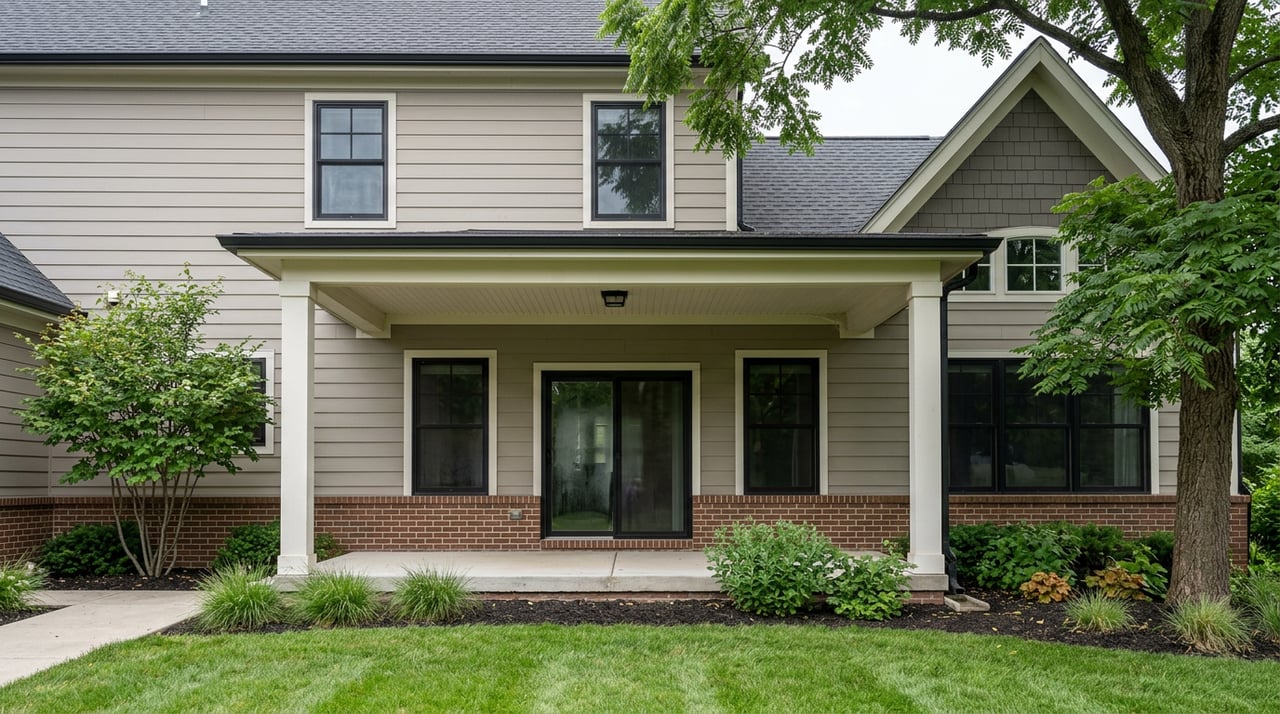
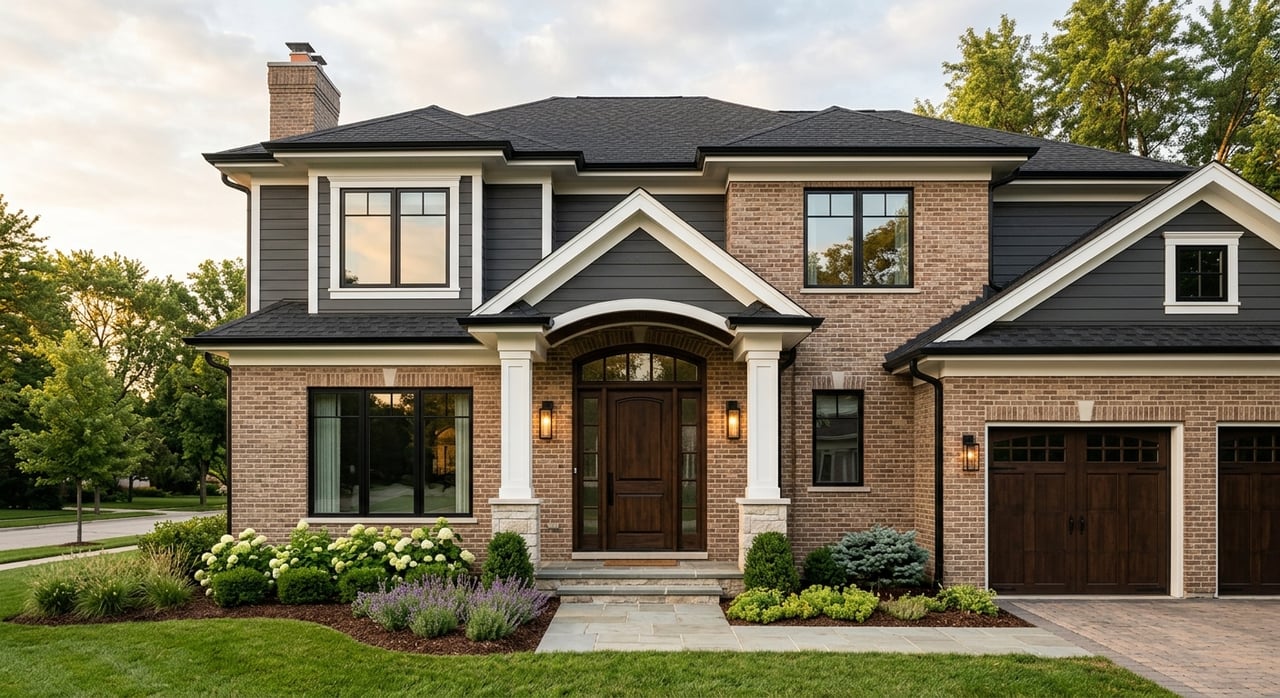
If you are picturing a portfolio full of small apartment buildings, Braidwood may not be the best match. The local housing stock is overwhelmingly geared toward single-family living.
According to the CMAP housing snapshot for Braidwood, the city’s housing mix is:
- 72.5% single-family detached
- 3.2% single-family attached
- 1.1% two-unit
- 1.6% three- or four-unit
- 2.4% buildings with 20+ units
- 19.3% mobile home or other
That same snapshot shows only 0.2% of land use is multifamily residential, while 46.4% is single-family residential. In practical terms, most small portfolios here will likely be built around single-family homes, with the occasional duplex or small multifamily property if the numbers and comparable rents support it.
What Tenants May Need Most
Because Braidwood’s housing stock leans toward larger homes, it helps to think beyond bedroom count alone. The local inventory is family-sized, and practical features can affect rental demand just as much as square footage.
CMAP reports that 51.7% of units have 3 bedrooms and 11.8% have 4 bedrooms. The data also shows 37.2% of households have 2 vehicles and 90.6% of workers drive alone. That suggests features like off-street parking, driveway capacity, garage space, and convenient commute access may be especially important when you compare one rental property to another.
Understand the Age of the Housing Stock
Braidwood does have a relatively mature housing base, even though much of it was built in the late 20th century. CMAP reports a median year built of 1994, with 59.8% of units built from 1990 to 2009 and 14.6% built before 1970.
For you, that matters during due diligence. Homes from this era may offer more modern layouts than much older housing, but they can still bring meaningful repair needs over time. Roofing, HVAC systems, windows, driveways, and major mechanicals should all factor into your purchase analysis and reserve planning.
Rent Estimates Need Local Comps
One of the biggest mistakes investors make in smaller markets is relying on a single rent estimate. In Braidwood, the available rent data varies enough that you should treat city averages as a starting point, not a conclusion.
The Census QuickFacts page lists median gross rent at $1,044. The research also notes other rent estimates in the market, including average and median figures that differ because local inventory is limited. That variation is exactly why your best underwriting tool is a set of recent nearby comps and active listings that closely match the property type, size, condition, and location.
If you are comparing a smaller older house to a newer 4-bedroom rental, citywide averages will not tell you enough. In Braidwood, a few real-world comparable rentals can be more useful than a broad market summary.
Use Conservative Cash Flow Math
Small rental portfolios often succeed because the owner stays realistic, not optimistic. In Braidwood, conservative underwriting is especially important because rents are not sky-high and local data can be thin.
A simple framework looks like this:
Gross rent - vacancy - property taxes - insurance - maintenance - management - debt service = cash flow
That formula is basic, but it keeps you focused on what actually reaches your bank account after the bills are paid. If you skip key expenses, a deal can look better on paper than it performs in real life.
Property Taxes Can Change the Deal
Property taxes deserve special attention in Will County. The tax bill is based on the property’s equalized assessed value and the tax rate for its specific tax code area, according to the Will County explanation of how tax bills are calculated.
Using the rough 2.06% effective tax-rate estimate cited in the research, a $202,500 home would imply roughly $4,172 per year, or about $348 per month, in property taxes. That is a major line item for a modest-rent property. Before you close on any rental, verify the actual PIN, tax history, and tax code area instead of assuming a city average will be close enough.
Budget for Management and Maintenance
Even if you plan to self-manage your first property, it is smart to underwrite as if management may eventually be needed. That gives you a more realistic long-term view.
The research cites an industry summary of property management costs showing typical residential management fees around 8% to 10% of collected rent. On $1,200 per month in rent, that works out to roughly $96 to $120 per month.
A common maintenance reserve guideline is 5% to 10% of gross rent, which would be another $60 to $120 per month on the same rent level. Combined with the sample property tax estimate, taxes + management + maintenance could total about $504 to $588 per month before insurance, vacancy, capital expenses, and mortgage payments. That is why a deal that looks fine at first glance can tighten up quickly.
Supply Is Limited, So Patience Helps
Braidwood is not a market where large waves of new inventory are likely to reshape the rental landscape overnight. Recent supply growth has been modest.
The Will County 2025 Consolidated Plan data cited in the research shows Braidwood had 58 single-family permits and 14 multifamily permits from 2020 through 2024. Combined with the city’s limited multifamily land use, that suggests many investors will build portfolios here by buying existing homes and making careful, targeted improvements rather than counting on large-scale new-build opportunities.
That can be a positive if your strategy is steady buy-and-hold ownership. It also means patience matters. The right property may not appear every week, so you want a clear acquisition standard before you start making offers.
A Smart Portfolio Strategy for Braidwood
For many investors, the most practical approach in Braidwood is to start small and stay focused. Instead of trying to assemble a broad mix of asset types, you may be better served by repeating a model that fits the local housing stock.
A strong starter strategy may include:
- Single-family rentals as the core of the portfolio
- Duplexes or small multifamily only when strong comps exist
- Conservative rehab budgets
- Property-by-property rent analysis
- Detailed tax verification before closing
- Reserves for maintenance and future capital repairs
This approach aligns with what the local data suggests. Braidwood appears better suited to a small buy-and-hold portfolio than an aggressive apartment-scale expansion strategy.
Legal Basics Still Matter
Every rental market has legal ground rules, and Illinois is no exception. The Illinois Attorney General landlord and tenant guide states that landlords must keep rental units fit to live in, make necessary repairs, and comply with state and local codes.
The same guidance notes that certain security deposit interest rules can apply when a deposit is held for at least six months in buildings or complexes with 25 or more units. For most smaller Braidwood investors, the more immediate takeaway is simple: you need to plan for habitability, repairs, and code compliance from day one.
Final Thoughts on Building in Braidwood
Braidwood can make sense if you want a local, manageable rental portfolio built around steady ownership rather than speed. The city’s housing mix, modest rent profile, and limited multifamily footprint all point toward a strategy centered on single-family rentals, careful comps, and conservative numbers.
If you are thinking about buying an investment property in Braidwood, working with a local brokerage that understands Will County taxes, neighborhood-level pricing, and property-specific analysis can make your search much more efficient. If you want guidance on evaluating opportunities in Braidwood and nearby markets, connect with a Hexagon Real Estate agent for a clear, locally informed conversation.
FAQs
What property types make the most sense for a small rental portfolio in Braidwood?
- In Braidwood, single-family homes usually make the most sense because the local housing stock is heavily weighted toward detached homes, while duplexes and small multifamily properties are much less common.
What rent numbers should you use when underwriting a Braidwood rental property?
- You should use recent nearby comparable rentals and active listings that closely match the property, because citywide rent estimates in Braidwood can vary and local inventory is limited.
How important are property taxes when buying a rental in Braidwood, Illinois?
- Property taxes are very important because they can take a large share of monthly rent, so you should verify the parcel’s PIN, tax history, and tax code area before closing.
Is Braidwood a good market for apartment-building investors?
- Braidwood appears better suited to small buy-and-hold investors focused on houses, with occasional duplex or small multifamily opportunities when strong comps support the deal.
What legal responsibilities do landlords have for rental properties in Illinois?
- Illinois landlords must keep rental units fit to live in, make necessary repairs, and comply with state and local codes, so ongoing maintenance and habitability should be part of your investment plan from the start.